A Cabinet of Wonders – by Molly Booker
This week for Environmental Imagination we have the theme of Flora, Fungi, and Fauna: Encountering a “Cabinet of Curiosities.” In Vesper Flights, Helen Macdonald introduces the idea of the Wunderkammer—a cabinet of curiosities, or more directly translated from German, a cabinet of wonders. Macdonald collects essays about bird nests, ants, mushrooms, and everything in between. She is collecting words, observations, moments of attention.
Collecting words didn’t really occur to me.
And yet, collecting has always been close to my heart.
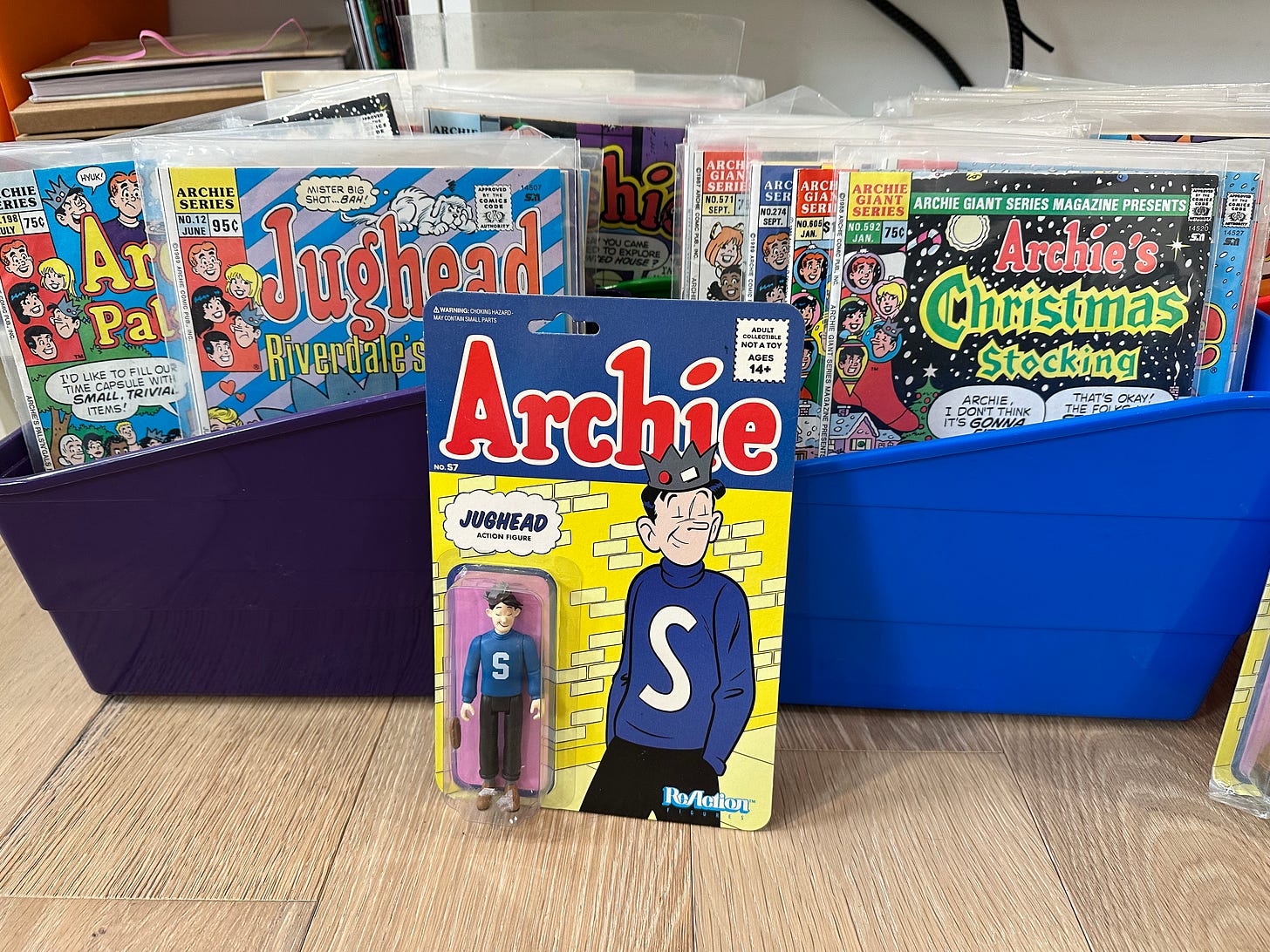
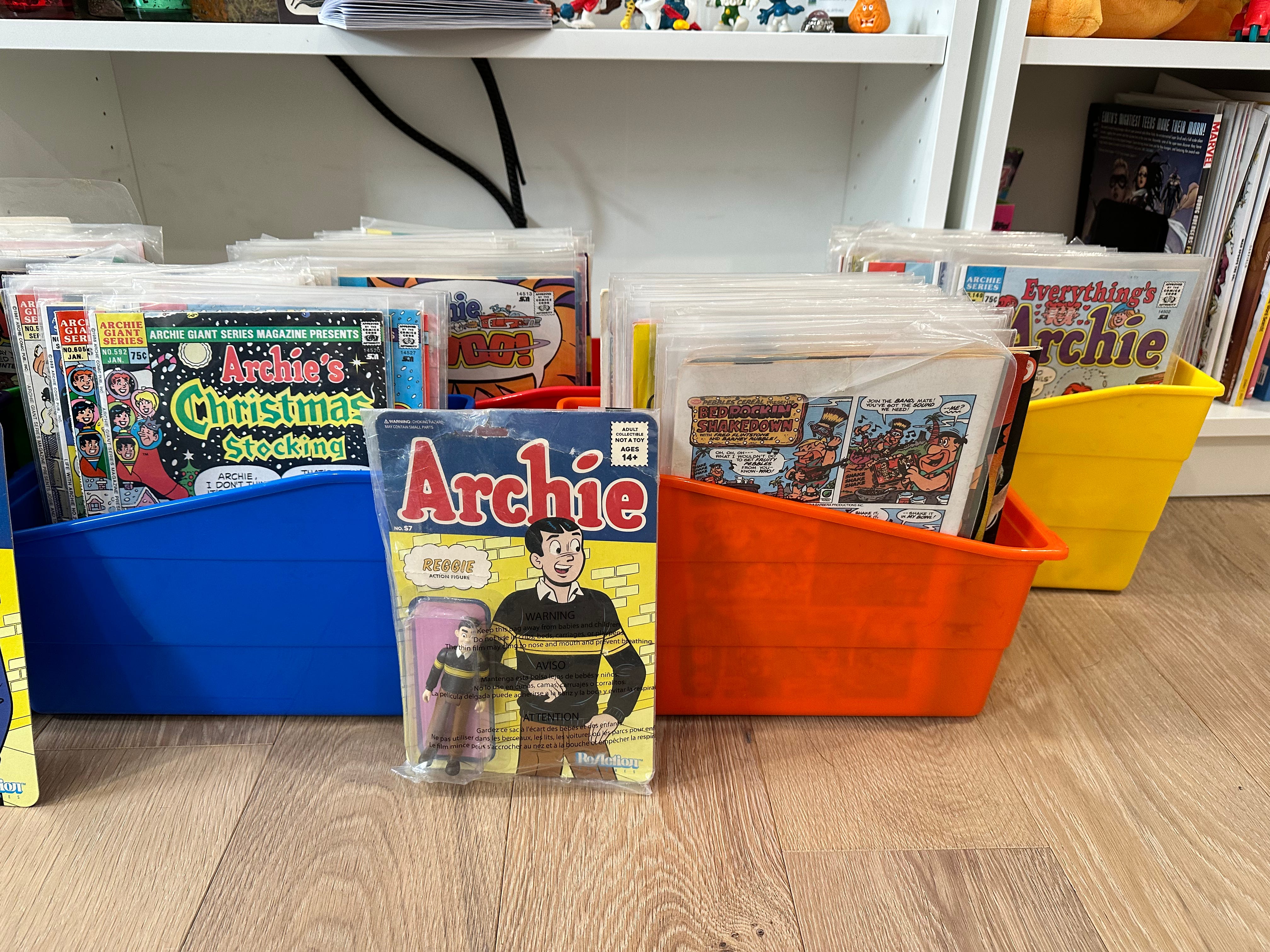
In elementary school, I collected Archie Comics and Garbage Pail Kids. These were some of the few places where I could find myself as a kid. I didn’t relate to Superman, Batman, or other superheroes filled with fighting. I also didn’t connect with baseball cards or sports cards, but Garbage Pail Kids had an entry point for me—gross, funny, weird, and slightly off. I had a hard time finding me when I was younger.
I didn’t connect with Cabbage Patch Kids or Barbie. Stompers were more fun, but I still didn’t quite fit in with the way my brothers played. He-Man was a hard no, and I was often bored by The Dukes of Hazzard. I didn’t relate to my brothers’ music either—Metallica, Megadeth, Iron Maiden. I enjoyed Weird Al, but even then, I didn’t love it. I couldn’t find my music, my love. Looking back, it wasn’t that I lacked taste—it was that none of this was speaking my language. It took decades before I heard myself reflected back.
I remember being at my grandmother’s house when she took us to the Piggly Wiggly grocery store. At the checkout, there was a rack of magazines. I stumbled onto Archie. It wasn’t violent, and I didn’t need to know any backstory to understand it. I bought one and read the whole thing in one sitting. This was rare for me—losing myself in something I loved, not to please anyone, not to compromise. I just loved it.
Archie felt like a family I was longing for. It was predictable. Boyfriends and girlfriends worked. High school worries revolved around football games, dating, and popularity—not drugs, not losing a brother, not the constant sense of loss that seemed to surround me. I kept those comics safe. I immediately put them in plastic, categorized them, and made a spreadsheet. This is starting to sound more like me.
By high school, I tucked them away and didn’t think much about them after that. During one of my frenzied decluttering clean-outs, I gave my comics and cards to my brother to save for my nephew someday. Years later, I regretted that. Somehow, they were calling me back. But my brother had moved many times, and I knew they were long gone.
Two years ago, celebrating Christmas with my new family—with my wife and my kid—I opened a gift from my brother and his wife. As soon as I spotted the red plastic folder, I began to weep. Inside were my Garbage Pail Kids cards, coming back to me just when I needed them most. The next box held my Archie comics. I still don’t have words for what it meant. Only that something I thought was gone forever had found its way home.
Our neighborhood was full of boys. We played outside, rode bikes, and built forts. I loved this, but I never quite found my friends. I always felt like I didn’t fully belong. Snoopy mattered to me because he gave me a doll that didn’t feel so girly—something I never related to. I could buy Snoopy clothes I loved: soccer outfits, a space suit, firefighter gear. I could dress Snoopy the way I wanted to dress, and couldn’t, as a tomboy growing up in the 1980s.
Coming out at 47 rocked my world in all kinds of ways. The biggest question was: how did I not know this about myself? I started to rewind the tape. Suddenly, things made more sense—why I didn’t want to kiss boys at the first boy-girl party, why I was called a prude, why boyfriends never worked. Dating filled me with anxiety that turned into depression by junior high. My confidence tanked. I always felt like something was broken in me—my ability to date, attract men, or be in a loving relationship.
I made rules for myself.
If I get my driver’s license at 16, I’ll be okay.
That happened.
If I date or have a boyfriend, I’ll be okay.
If I get married and have kids, I’ll be okay.
I never felt okay. I felt broken.
Rewinding the tape, maybe I just never saw myself in the world. I didn’t have representation or examples to show me that my closest girl friends might have been something more. Did I have crushes on them? Maybe. But without context, language, or permission to imagine it, it never occurred to me. Add compulsory heterosexuality—the assumption that straightness is the default—and I became obsessed with men finding me special. Older men. Men with power and authority. I wanted belonging. I wanted power. I ached for freedom from something I couldn’t name.
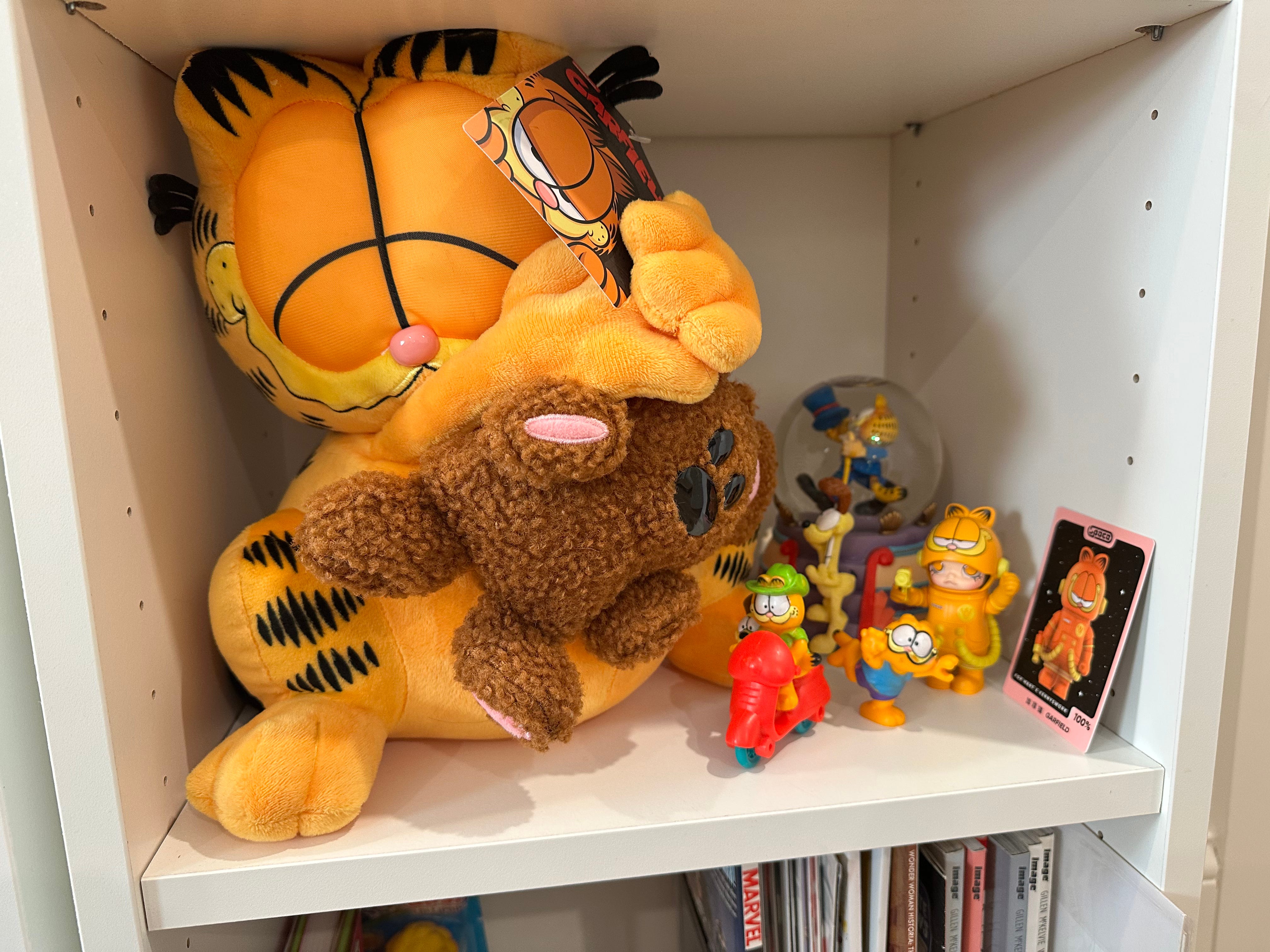
Coming out started to put the pieces together. I fell in love for the first time, and as my mom would later say, I was “gaga.” I certainly was. And I started collecting Legos. Many queer people seemed just as obsessed. Why? Then I found 80s toys, and something lit up in my brain. At first, I worried I was regressing or stuck in the past. But what feels more accurate is that I was reclaiming the parts of myself I’d lost along the way.
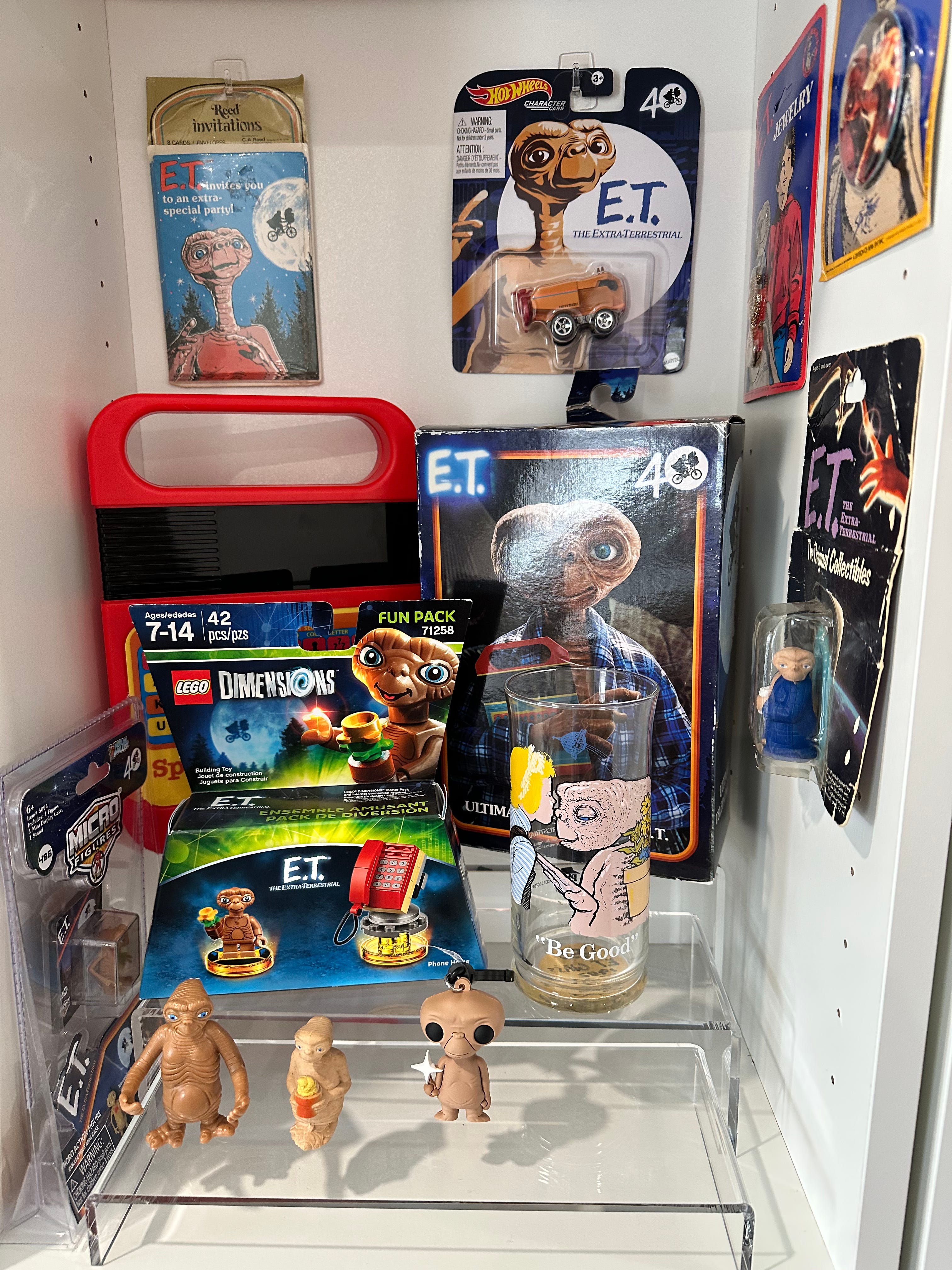
I collect E.T. because I remember feeling excited and whole watching that movie and playing with those toys. The same is true for Snoopy and Garfield. These were objects that made me feel like me. At 50, I love collecting them, seeing them, even playing with them, because they remind me of my authenticity and wholeness as I put myself back together.
It wasn’t just toys. Music finally found me too—Dixie Chicks, Brandi Carlile, Melissa Etheridge. At first, I thought everyone was talking about Belinda Carlisle. I mean, I liked Heaven Is a Place on Earth, but why was she suddenly making a comeback? Nope. Brandi Carlile is a completely different thing altogether. This is how far out of touch I was with gay culture—and myself. I didn’t just miss the music. I missed the mirror.
Now I find myself wondering about comics again. I hear there are queer stories in Wonder Woman and beyond. Where are they? How do I get started? It feels overwhelming. But I recognize this feeling now. It’s the same one I had standing in front of the magazine rack at the Piggly Wiggly— not knowing what I was looking for, only knowing that when I found it, I would know.
Macdonald’s Wunderkammer is a cabinet of wonders gathered from the natural world. Mine is made of comics, toys, music, and memories. These are the environments where I could survive, where I could feel seen, where pieces of me waited patiently to be reclaimed. I don’t collect because I’m stuck in the past. I collect because the past still holds parts of me—and now, finally, I know how to bring them home.