
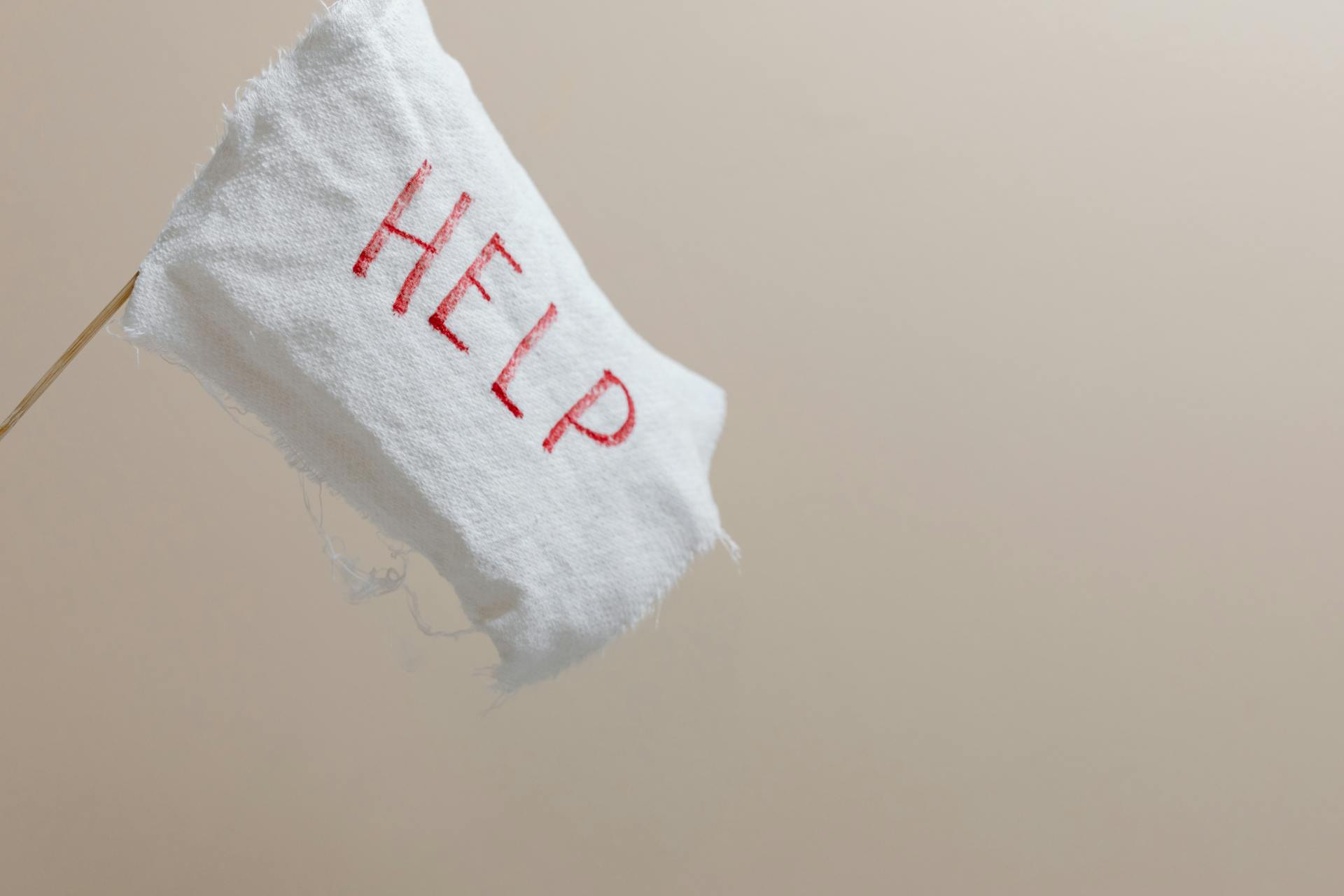
Dismantling the Stigma of Support: Navigating Rugged and Dysfunctional Independence
Asking for Help – A Journey of Guilt, Shame, and Healing
Why is asking for help so difficult? As the release of my memoir, Magic in the Mess, draws closer, I find my time needed for writing, editing, podcasting, and self-promotion increasing. I’m scheduling more and more time at the Healing Society, my favorite coworking spot in Nashville, TN. The other day, while creating, writing, and blogging, I found myself experiencing guilt. I worried about my wife at home with our 10-year-old kid. Was I being selfish? Was I letting her down? I worried that things were no longer equitable with my time out of the house increasing. Part of my heart was back at home while I was “in the office.”
As the worry and concern intensified, so did the physical symptoms. I began to have a headache and then a stomach ache. These are the places I usually carry my stress, shame, and fear. By the time I got home, I didn’t feel well at all. As much as I felt I should spend time with my family, especially our kid, I just couldn’t. I went upstairs for a nap. I fell asleep hard for several hours. The rest felt incredible, but so did the guilt and shame. I feared I was letting everyone down.
Can anyone relate? Do you feel pulled in two directions? It is impossible to be all things to all people, for sure. And when I choose myself, I go down the shame/guilt spiral. I thought this experience was interesting to notice, but it didn’t register as that big of a deal to me. I casually brought it up in our next couple’s therapy with the thought, “I don’t have much to talk about today.” Wow. Ever have that thought? That’s when you get your ass kicked for sure. Well, this one was a real knock-out.
I started talking about this situation, and as pro therapists tend to do, we narrowed right in on the fear. And out it came, “I’m afraid of being a burden.” I felt my mind, body, and spirit begin to short-circuit. I’m pretty seasoned at therapy and inner work, but this one brought me to my knees. I instantly had a migraine headache and stomach cramps like you wouldn’t believe. I b-lined it for the bathroom, barely making it before exploding in the toilet. I was crying, heaving, coughing, and draining my insides all at the same time. What the actual fuck.
Then, it felt like everything went offline. I felt like lying on the bathroom floor in a ball, at the same time I felt like smacking my head on the sink, and running into traffic. I was desperate and didn’t know what to do. But I did. Years of healing from wanting to take my life reminded my body what to do. I put some cold water on my face, took a deep breath, and reminded myself these are just thoughts, and it doesn’t make them true. I walked back into the therapy Zoom and took a few deep breaths. Kelly was a rock and supported me through the meltdown.
What happened? I have no idea, but I know I hit a spiritual nerve. Just like a physical nerve will send white lightning through the body, so will an emotional or spiritual nerve. This was a sore spot for sure, in need of healing. My pride of rugged independence somewhere along the line turned into dysfunctional independence. We were never meant to do it alone. We are pack animals and we function best in community. We are wired for connection and programmed somewhere along the way for independence. Talk about competing intentions!
Perceived burdensomeness is part of suicidal ideation. The pain of feeling like, notice I say feeling like, not BEING, a burden is painful to the point of choosing death over it. What makes us feel like a burden? Research indicates that perceived burdensomeness, especially when coupled with thwarted belongingness, significantly contributes to suicidal ideation and attempts. The root of the word “burden” comes from the Old English “byrthen,” meaning “that which is borne or carried.” In a psychological context, it often implies a heavy load of responsibility or guilt placed upon someone, either by themselves or others.
Experts suggest that feelings of burdensomeness often arise from societal pressures and internalized beliefs that one must be self-sufficient and not rely on others. This feeling is especially prevalent in those who strive for high achievement and perfection, as they often set unrealistic expectations for themselves and fear that asking for help would indicate weakness or failure.
Well, this is the last thing I want to be. I want to be all things for all people. I want to prove my worth, earn it. Yet, this isn’t a winnable game. Our worth is not something to be earned. It’s like a 100-dollar bill. No matter how dirty, ripped, torn, or used it is, it still holds its value at 100. We are the same way. We retain our value. It’s not something we need to prove or earn to anyone. And asking for help, for assistance, needing something doesn’t threaten our value or worth on the planet.
When we ask for help, it opens us up to connection. And, here is the kicker, we love being asked to help. In times of tragedy, people jump right in. We all want to help, to create value, to serve others. A reciprocal part of this is allowing others to help us, to serve us, to offer something.
How can we be more open to both sides of the coin? How can I ask my wife for help? For time at the office? How can I ease my shame and guilt?
Tips for Asking for Help and Easing Guilt
- Acknowledge Your Feelings: Recognize that guilt and shame are natural emotions, but they do not define your worth.
- Communicate Openly: Share your feelings and needs with your loved ones. Open communication can foster understanding and support.
- Practice Self-Compassion: Be kind to yourself. Understand that asking for help is a sign of strength, not weakness.
- Set Realistic Expectations: You cannot be everything to everyone. Prioritize your tasks and set achievable goals.
- Seek Professional Help: Therapy can provide a safe space to explore and address these feelings.
- Build a Support Network: Surround yourself with people who understand and support your journey.
- Educate Yourself and Others: Learn about the psychological aspects of perceived burdensomeness and share this knowledge with your community.
Remember, asking for help is not a sign of failure; it is an essential part of being human. We are in this together, and by supporting each other, we can navigate the mess and find the magic within.


