
If You Can Say ‘Kamala,’ You Can Use They/Them
How does it feel when someone continually gets your name wrong, even after you’ve corrected them? Maybe it’s a teacher or a boss. Frustrating, right? It makes you feel unseen. Now imagine that this isn’t just about a name, but about how you identify—how you show up in the world. Misusing someone’s pronouns can feel just like that: frustrating, invalidating, and deeply personal.
I thought a lot about this when Trump repeatedly mispronounced Kamala Harris’s name. It didn’t feel like a simple mistake after the countless corrections; it felt dismissive, like he didn’t care to get it right. And isn’t that how it feels when someone refuses to honor your identity by using the wrong pronouns? It’s not just a mistake; it starts to feel like an intentional disregard of who you are.
I hear it a lot: “They/them is confusing” or “It’s not grammatical.” But here’s the thing—chances are, you’ve used they/them without even realizing it. Ever found someone’s bag and asked, “Who left their backpack?” You didn’t know the person’s gender, so you naturally used “their.” It’s something we already do. So why does it feel different when someone asks to be called they/them?
Maybe it’s fear. Fear of looking foolish or of making a mistake. But I’ve learned that it’s okay to get it wrong—as long as you’re trying. I get it wrong every day, even with my own kid. But I keep correcting myself, showing them that I see them, and I care. And that’s what really matters.
My 10-year-old has been choosing to wear boys’ clothes since they were two. This is not new for them. When you ask if they’re a boy, they say no—they feel like they’re somewhere in between. They changed their name to reflect that truth, and every time we use the wrong pronouns or their birth name, we force them into a box they don’t belong in. That isn’t just uncomfortable for them; it’s erasing who they are.
It’s easy to resist things that challenge what we think we know. But when someone asks us to use certain pronouns, they’re sharing something incredibly personal. It’s their way of saying, “This is who I am.” Our job isn’t to get it perfect; it’s to try—to say, “I see you, and I respect you.”
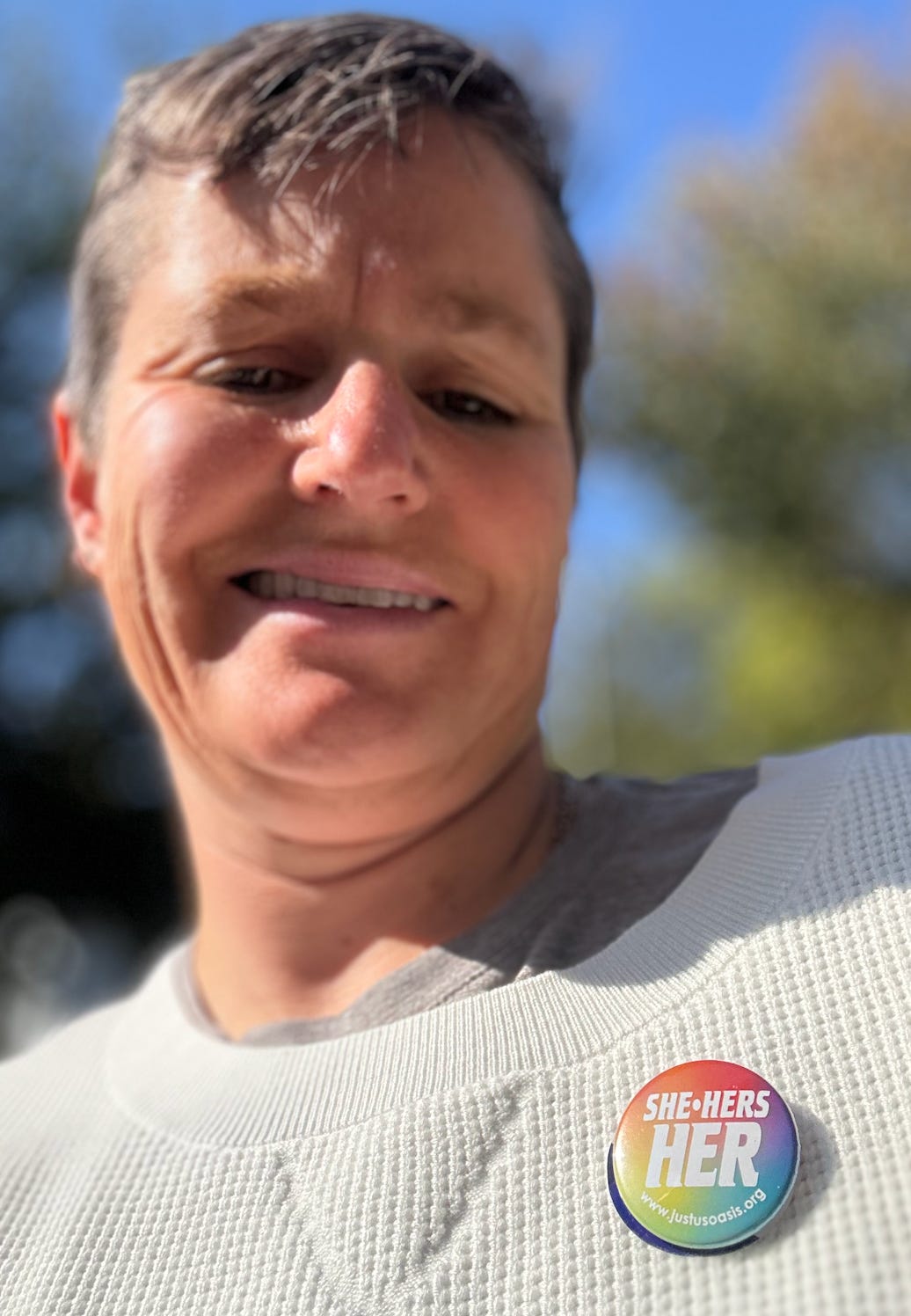
Here’s something simple we can all do: add your pronouns when you introduce yourself, on your Zoom screen, or even on a name tag. Doing this normalizes the conversation, and creates space for others to share their pronouns, especially if it’s hard for them to speak up as the minority in the room.
It’s not about being perfect—it’s about showing up and trying. And when we do that, we make the world a little safer for everyone to be their authentic selves.


