

Monday Review: Triggers, Old Wounds, and Course Correction
We all get triggered. It happens in big moments, small moments, and often when we least expect it. But what if we could recognize our triggers as they happen and respond differently? What if we could turn these moments into opportunities for growth rather than spiraling into anger, shutdown, or regret?
Signs of Being Triggered:
Recognizing the signs is the first step. Here are some common indicators that you’re in a triggered state:
Fight Response:
-
Sudden anger or irritation
-
Short temper
-
Face feeling hot
-
Feeling defensive or ready to argue
Flight Response:
-
Urge to leave abruptly
-
Feeling overwhelmed or suffocated
-
Pacing or feeling antsy
-
Rapid breathing
Freeze Response:
-
Feeling mentally stuck or frozen
-
Unable to think of what to say
-
Stuttering or struggling to form words
-
Body tensing up
What to Do When You Get Triggered:
Step 1: Pause & Acknowledge
Before reacting, recognize what’s happening inside of you. Say it out loud or to yourself:
-
“I’m triggered.”
-
“I’m feeling angry.”
-
“I feel hurt.”
-
“I feel invisible.”
Naming the emotion is powerful. As they say, name it to tame it. Between stimulus and response, there is a space. The more we practice, the wider that space becomes, giving us more choice in how we respond.
Step 2: Engage the Parasympathetic Nervous System
Activating your body’s natural calming mechanisms helps bring you out of a triggered state:
-
Splash cold water on your face
-
Wash your hands
-
Sip water slowly
-
Use your senses: Name five things you can see, four things you can touch, three things you hear, two things you smell, and one thing you taste
Step 3: Identify the Wound Behind the Trigger
This is the deeper work. Why did that moment trigger you so intensely? Often, it’s not about the current situation but an old wound being pressed.
-
Just like a physical bruise, if someone presses on an emotional wound, it hurts.
-
If there was no bruise, it wouldn’t bother you.
-
What is the bruise? Where have you felt this before? Follow the thread back.
A Real-Life Example: NYC and the Battle of Dinner Plans
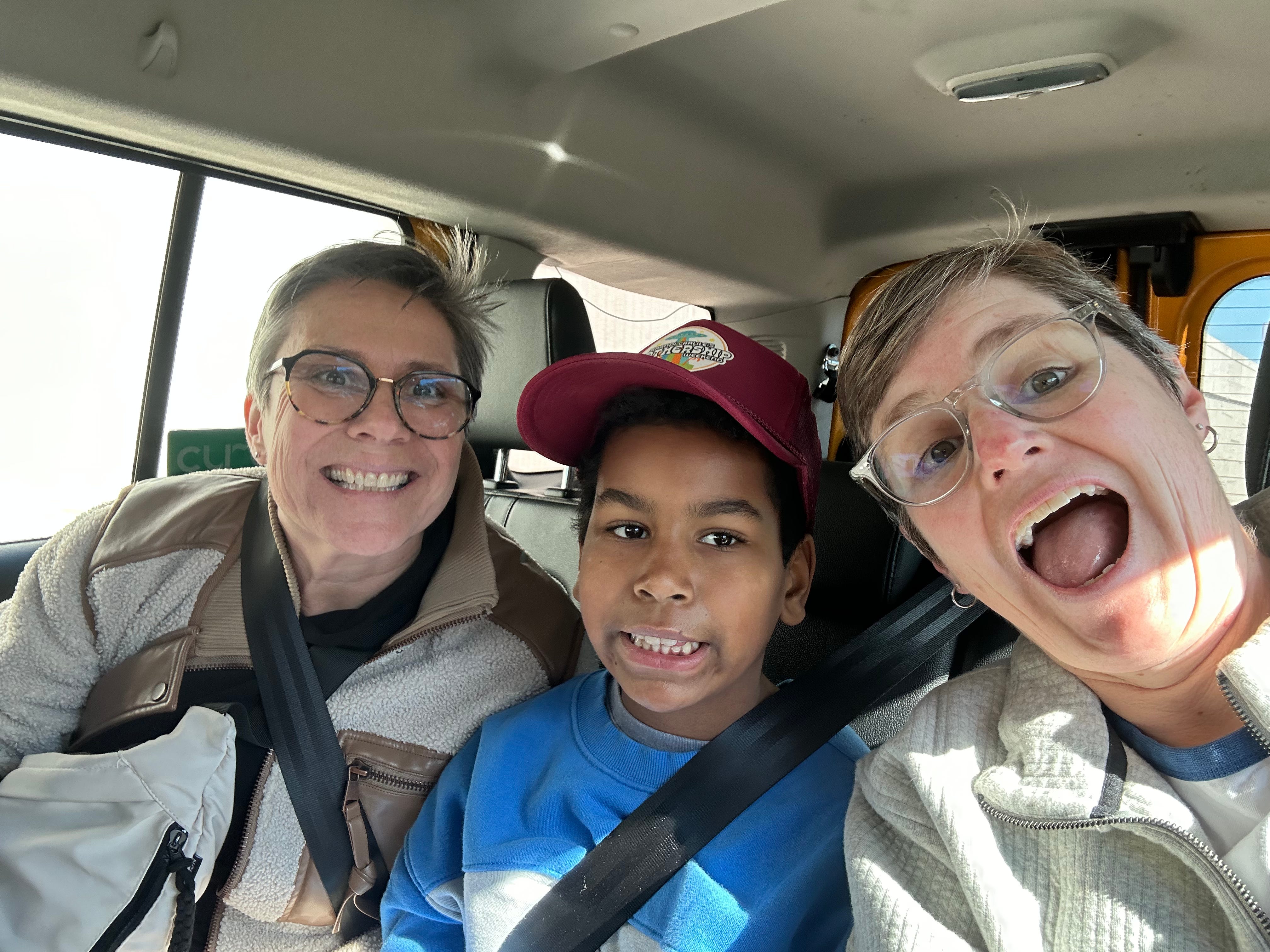
Our family just spent a weekend in NYC. Most of it was amazing, but we all found ourselves triggered at some point.
After a Broadway show, I mentioned wanting to grab something to eat. My wife, Kelly, said she needed to go back to the hotel to recharge. Totally fair. Then, Leo chimed in and also wanted to go back. Instantly, I was pissed.
Why? Because it wasn’t about dinner. It was about feeling invisible. Growing up as the only girl between two brothers, I often felt like I had to fight for what I wanted, and if I didn’t get it, I felt erased. And just like that, I was back to my 10-year-old self, ready to shut down and push Kelly and Leo away.
But here’s the difference: I’ve practiced recognizing this pattern. Instead of spiraling, I let myself feel—the hurt, the frustration. I sat with it in the taxi. I acknowledged that this was an old wound. And when I had enough space, I realized I was also exhausted. I didn’t really want to go out either. We ended up ordering dinner in, and it was fantastic.
The Art of the Course Correction
I apologized to my family, and we reset quickly. As my coach, Stephen McGhee, always says, “Molly, minimize the downtime.” That’s the goal—not to never get triggered, but to recover faster each time.
For context, this was way better than last year at The Wizarding World of Harry Potter at Universal Orlando when I lost my entire mind over the bathroom floor getting wet. Seriously. Water. On a bathroom floor.
The Takeaway
We all get triggered. But we can get better at handling it.
-
Pause and acknowledge.
-
Engage grounding techniques.
-
Explore the deeper wound.
-
Course correct quickly.
Triggers don’t have to control us. They can be our greatest teachers.
So, what’s triggering you lately? And what old wounds might be asking for healing?
Let’s dig into the mess and find the magic. ✨

