
From Loneliness to Connection: The Truth About Belonging
I listened to “We Can Do Hard Things No. 328: Feel the Loneliness, Jealousy, and Longing” this morning and more than I can say, I appreciate the question and conversation. Loneliness is something I have suffered with most of my life. No matter what I did, where I was, who I was with, or what I ate, it seemed like I was suffering with loneliness. The longing I felt was profound. I resonated with Leonard Cohen and other types of longing music. I couldn’t figure out why I was so lonely or why connection felt impossible. It seemed so easy for others, yet I suffered. For me, friends just couldn’t be found.
At 35, I couldn’t do it anymore and had a suicidal crisis. At this point, I learned I had depression, which seemed to fill in many of the blanks. I knew this was chronic depression and something I would live with for the rest of my life. I studied, researched, read, and healed. I found ways to minimize the disruptions of depression and learned coping strategies. Yet, deep down, I still felt disconnected, lonely, and longing. There would be moments of connection, but it seemed so fleeting.
I leaned in. I studied loneliness, belonging, and connection. I also studied the absence of it, which is suicide—thwarted belongingness and perceived burdensomeness. Listening to the podcast this morning, my journey with loneliness came into clearer focus.
In my experience, the pain of loneliness stems from disconnection not with others, but with self. When I fracture, hide, and isolate parts of myself in an attempt to fit in and belong, and contort myself, I experience the birthplace of abandonment—that of abandoning the self. I did this in spades as a kid. What was authentic to me felt wrong. It was wrong that I preferred boys’ things and wanted to dress and be treated like a boy. It was wrong that I was a picky eater, shy, introverted, a nerd, and loved to read and study. I quickly learned that what I loved and gravitated towards wasn’t good, popular, or in any way friend-producing. I decided to listen to others and like what they liked. I got really good at rolling with the flow of others, blending in, making no individual waves. I blended with the group and disappeared. I left myself—my knowing, my likes and dislikes, my authentic self—and I was desperately lonely. I couldn’t make friends, and this didn’t change until I started speaking the truth.
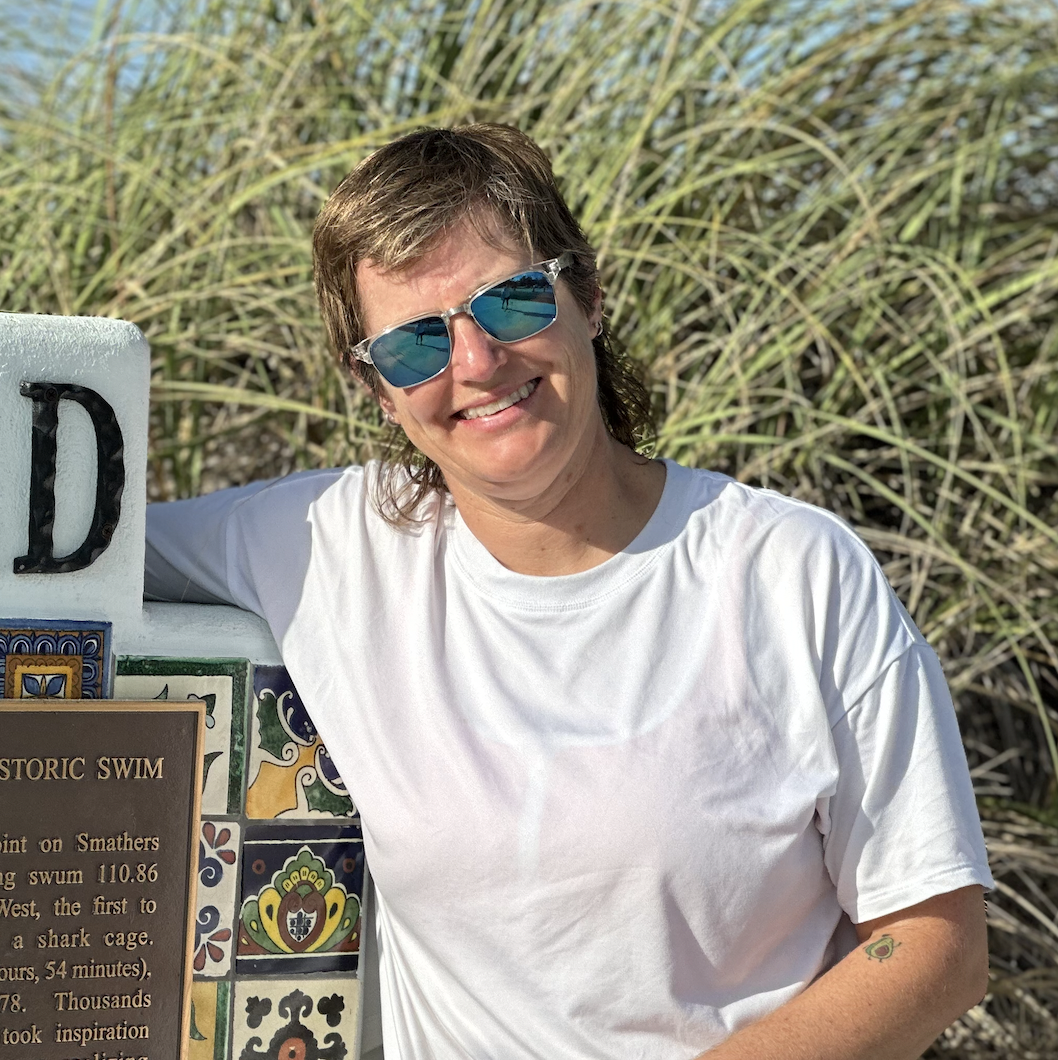
The moment I told the truth during my crisis at 35, I started to feel connection for the first time. I thought I finally had a friend. Yet, what was more true was that I finally came back to myself. I spoke my truth and started the work of healing self-hatred, judgments, and misunderstanding about myself. As I came back to myself, the loneliness lessened. In times when I am my most authentic self—speaking, laughing, being my gay, nerdy, 80s authentic self—I feel the most connected.
What if belonging has more to do with self than others? Counterintuitive, I know, yet this is how I’ve experienced connection—relationship, truth, and honesty with self. Is this why suicide rates are so high? Is this why we are all so lonely? We have lost ourselves for the sake of fitting in. Let’s lean towards belonging by starting with self. What if our definition of success was knowing ourselves? How would that change things?
I have one question for you: How could you be more you today?


